Putting Computer Science Into Action
December 12, 2025 – At Harrison Bay Learning Center, students in the Architecture and Engineering Design program are learning much more than how to use computer software. Their teacher, Adam Scales, is helping them grow into confident problem solvers who understand how technology connects to the real world. This is work they do every day. The district is highlighting his class during Computer Science Education Week because it is such a strong example of digital learning done well.
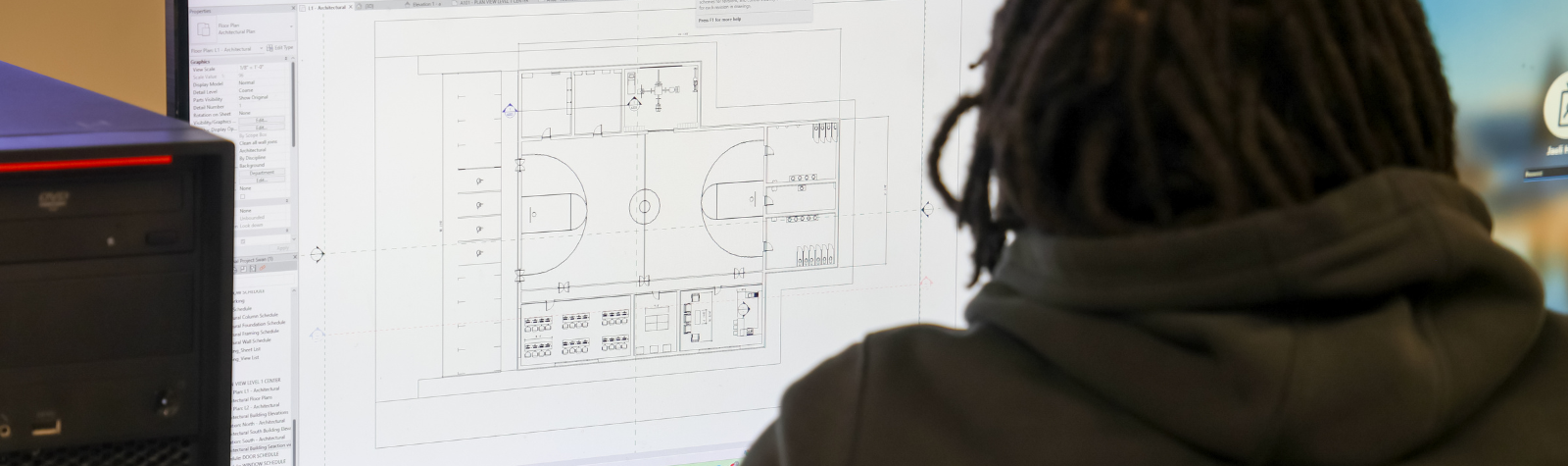
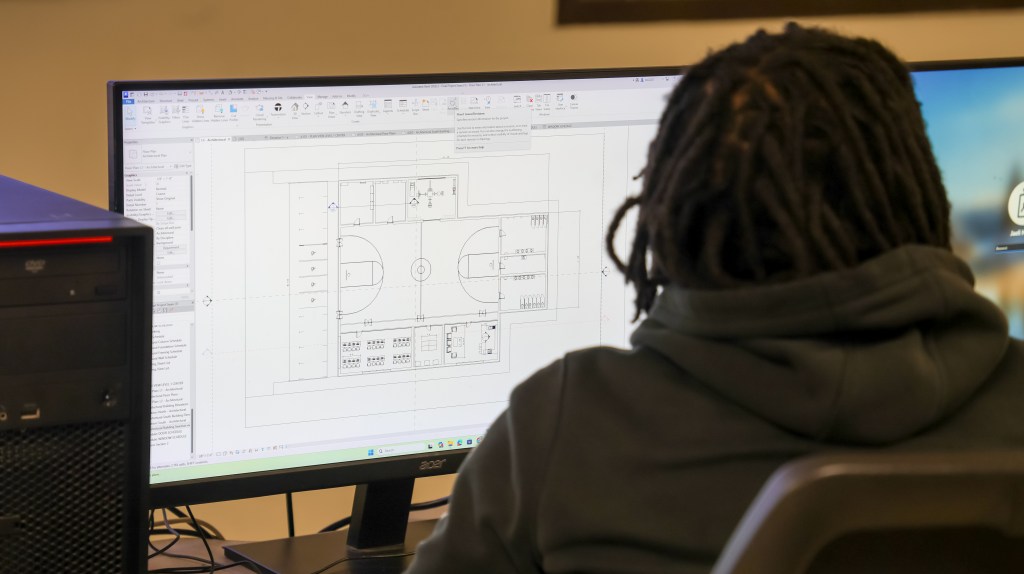
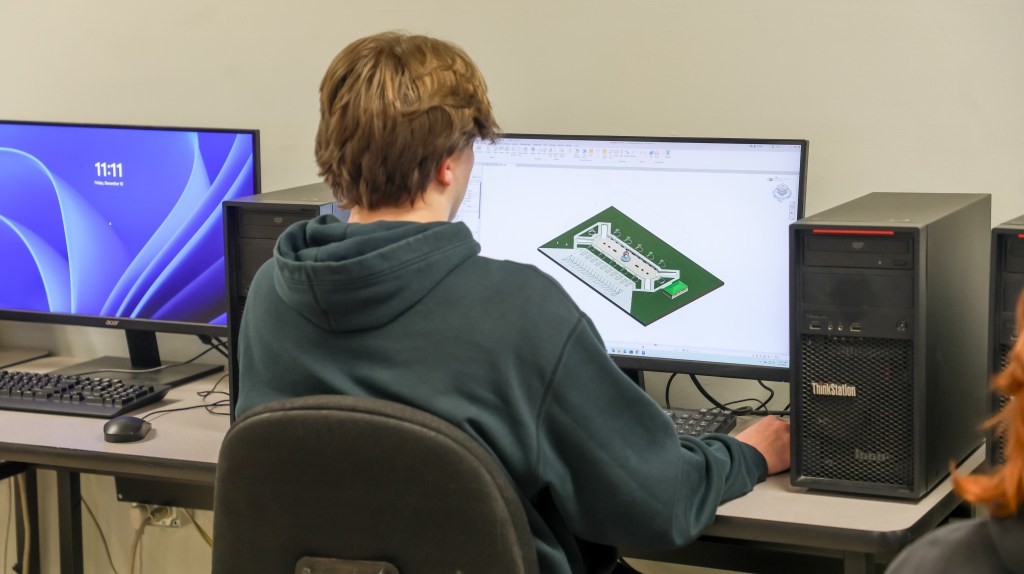
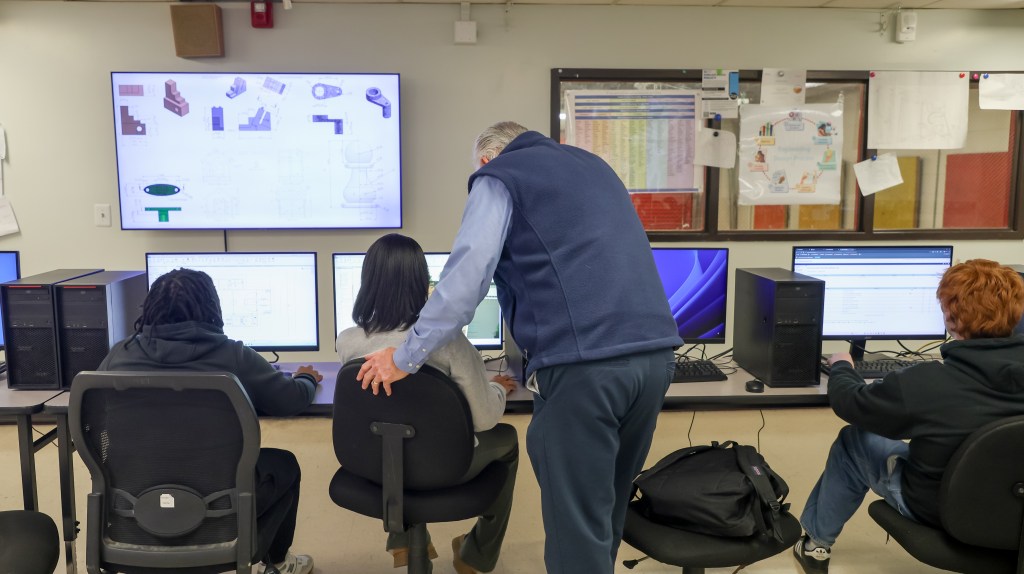
Scales teaches students to use industry software like AutoCAD and SolidWorks, but he explains that the real lesson goes deeper. “What I teach is how to use the software, one, but two is how to solve problems,” he said. “If you can get through my class, you are head and shoulders above most people in the industry for your ability to solve problems.”
His classroom is set up to look like a real engineering space so students can experience what it is like to work in the field. They start each day with a bell ringer and follow a learning process that mirrors an actual workplace. Scales wants students to learn how to think through challenges. He describes it as “productive struggle,” allowing students to try, correct, and try again before asking for help.
Students also work together the way real engineers do. Pairing them up in ways that help each one thrive best. As he put it, “If you don’t know something, you ask the person in the cubicle next to you. I encourage that as well.”
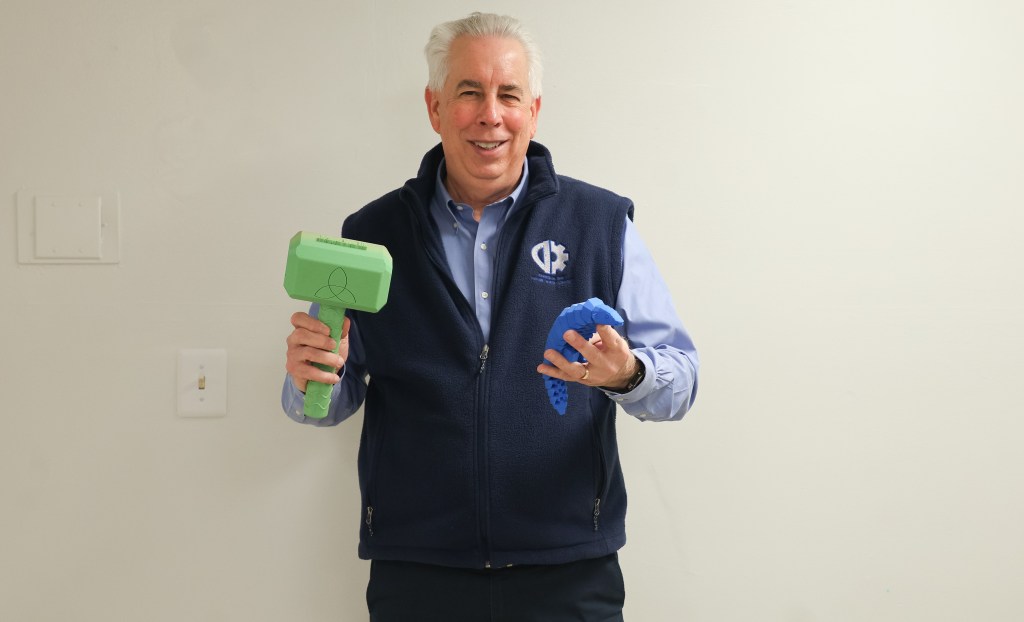
These teamwork and problem-solving skills show up in the hands-on projects students complete. They design fidget spinners that must actually spin, create their own versions of Thor’s hammer, and build large models together such as an eight-by-twelve-foot atomic chart. Scales loves how these projects help students connect the digital world to real life.
“This isn’t just sitting in front of a computer. This goes from idea to in your hand.”

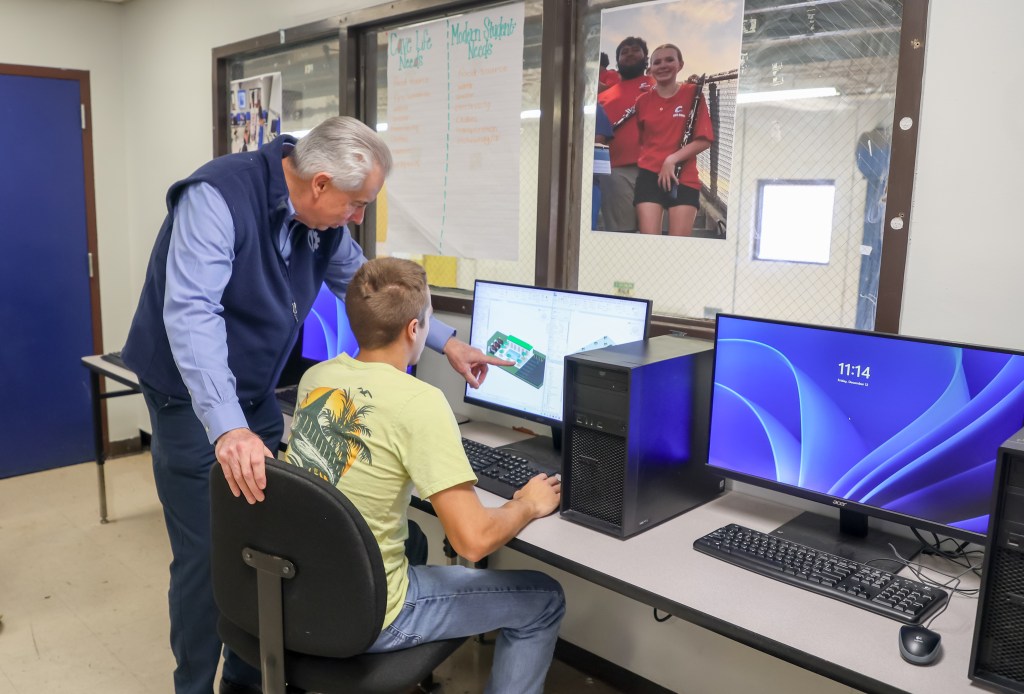

One student even brought in a broken stove piece from home. Scales helped him pull up the real engineering drawing from Maytag so the student could redesign and replace the part himself. These moments show students how useful their skills can be. “It’s all tech,” Scales said. “If you want to be successful and work in any industry, you are going to have to be able to use the tech.”
He encourages anyone interested in engineering or design to contact him with questions about how to get involved, even if they do not attend his school. Scales said he is “in the middle of it,” and can help students understand dual enrollment and college program options..
His ultimate goal is not only to teach software skills but to help students find confidence in themselves and their ideas. When a student brings him a project they want to try, he often lets them explore it in place of a regular assignment. “When they come in and go, ‘I’ve been thinking,’ that’s usually a really good sign,” he said.
During Computer Science Education Week, the district is shining a light on Scales and his students because they show just a few aspects of what computer science can look like when it is active, creative, and connected to the world outside school. But in his classroom, this work happens every single day, and continues to have an impact even after they walk outside his classroom.. As Scales puts it, “Wherever they go, they’re carrying this knowledge.”